Insight 01
Channel mix realism
No single channel owns customer acquisition in 2026. Map commercial intent across search, social and content — then allocate budget proportional to measurable contribution, not platform hype.
Growth Lab
BR-05 · 2026
Premium insight on analytics, creative testing and brand demand — written for Singapore marketing leaders navigating 2026.
2026 Growth Memo
In 2026, Singapore marketing leaders face a structural shift: platform costs continue rising while audience attention fragments across channels. Brands that rely on single-channel performance marketing without positioning clarity are seeing diminishing returns. The companies compounding growth invest simultaneously in brand signal and acquisition efficiency — treating them as one system, not competing priorities.
BrandRush's Growth Lab documents how premium agencies think about this shift. Not as thought leadership for its own sake, but as operational intelligence our clients use in strategy sprints, performance reviews and budget planning sessions throughout the year.
Key themes for 2026: attribution realism in a privacy-first landscape, creative testing velocity across Google and Meta, local SEO as retail discovery infrastructure, and conversion architecture as the bridge between media spend and pipeline contribution.

Analytics principles
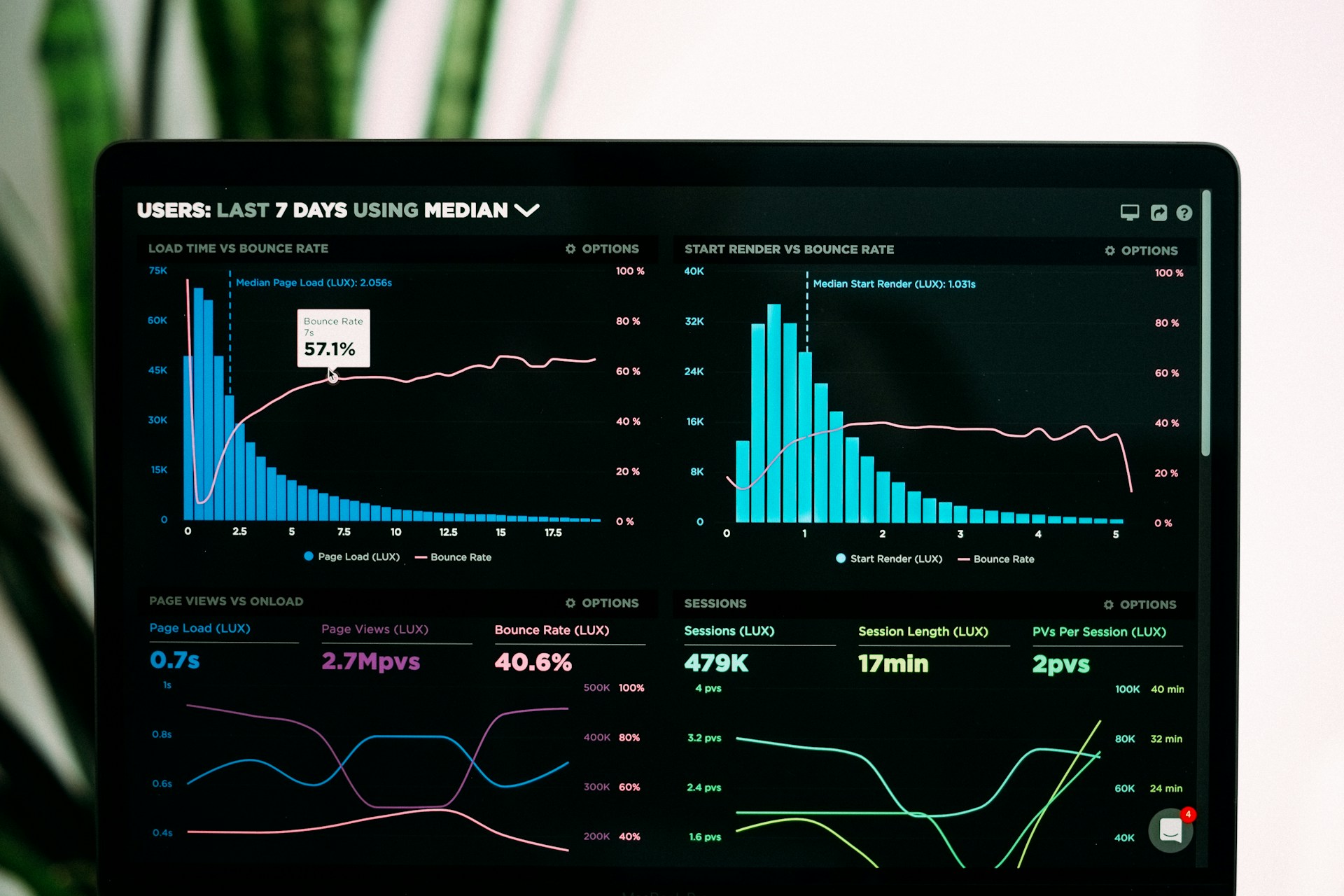
Most marketing dashboards report vanity metrics. BrandRush builds analytics systems around commercial intent: cost per qualified lead, pipeline velocity, content-assisted conversions and channel attribution with honest caveats about data limitations.
Our analytics principles for 2026 emphasise GA4 event architecture, CRM integration for closed-loop reporting, and monthly review cadences that connect media performance to sales outcomes — where data sharing agreements permit.
Creative testing room
Creative fatigue is the silent budget killer in performance marketing. Our creative testing framework structures hypothesis-driven experiments: one variable per test, statistical significance thresholds, and documented learnings that inform the next creative sprint. This applies across Google Ads responsive search, Meta dynamic creative and LinkedIn sponsored content.
Testing velocity matters, but so does brand consistency. The Growth Lab advocates for creative systems — modular asset libraries aligned to positioning — that enable rapid iteration without diluting brand signal.
Brand demand scorecard
The brand demand scorecard is BrandRush's framework for assessing whether your market recognises and responds to your positioning. Components include branded search volume trends, direct traffic patterns, content engagement depth, share of voice in commercial categories and qualitative sales feedback on lead quality.
Unlike vanity brand trackers, this scorecard connects brand investment to acquisition outcomes — helping marketing leaders justify budget allocation between awareness and conversion programmes.

Insight cards
No single channel owns customer acquisition in 2026. Map commercial intent across search, social and content — then allocate budget proportional to measurable contribution, not platform hype.
For Singapore retail and multi-outlet brands, local SEO is discovery infrastructure — not a nice-to-have. Invest in location-page architecture before scaling paid media.
Increasing media spend on broken landing pages wastes budget. Audit conversion paths before scaling campaigns — form logic, page speed and message match matter.
Customer acquisition costs compound when retention is ignored. Email marketing, remarketing and lifecycle campaigns extend LTV — reducing blended CPA over time.
The Growth Lab is updated throughout 2026 as our strategists publish new frameworks, scorecard templates and channel intelligence for Singapore marketing teams.
Request a brand-growth briefing